I write about more than field crops. However, even I have to admit that when I look at my desk some days that's a hard statement to prove. Below is a selection of agriculture related articles I've written in recent years. If you have a project you'd like to work with me on, please feel free to get in touch.
If you'd like to see some of the environment-related topics that I've covered, please click here.

How Better Seed Genetics Help Farmers Manage Water Risk
Publication: The Alberta Seed Guide
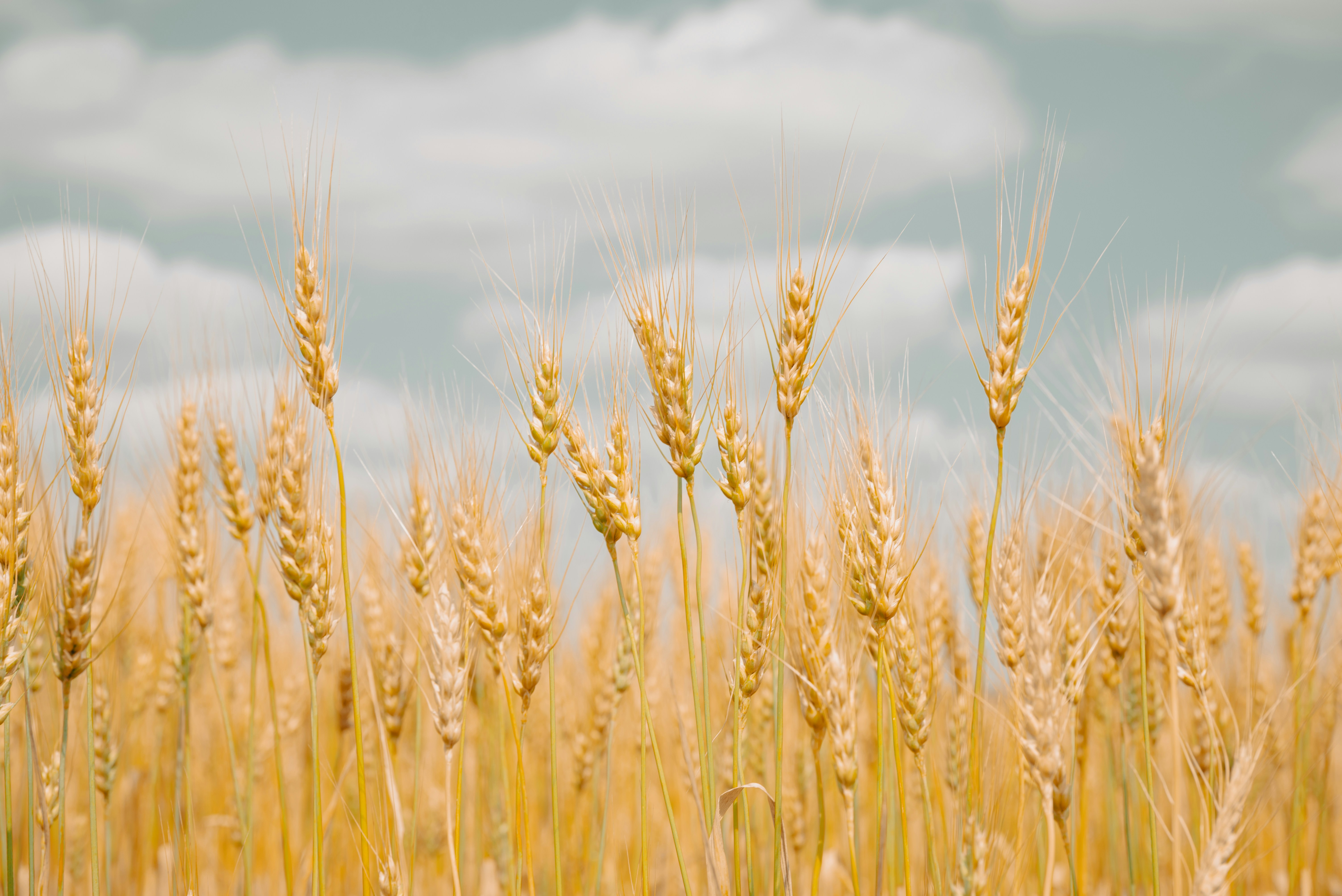
From drought to flooded fields, Alberta farmers face increasingly unpredictable growing conditions. Plant breeders are developing wheat and triticale varieties designed to perform when moisture becomes a moving target.

Managing volunteer cereals before freeze-up
Publication: The Wheat Field
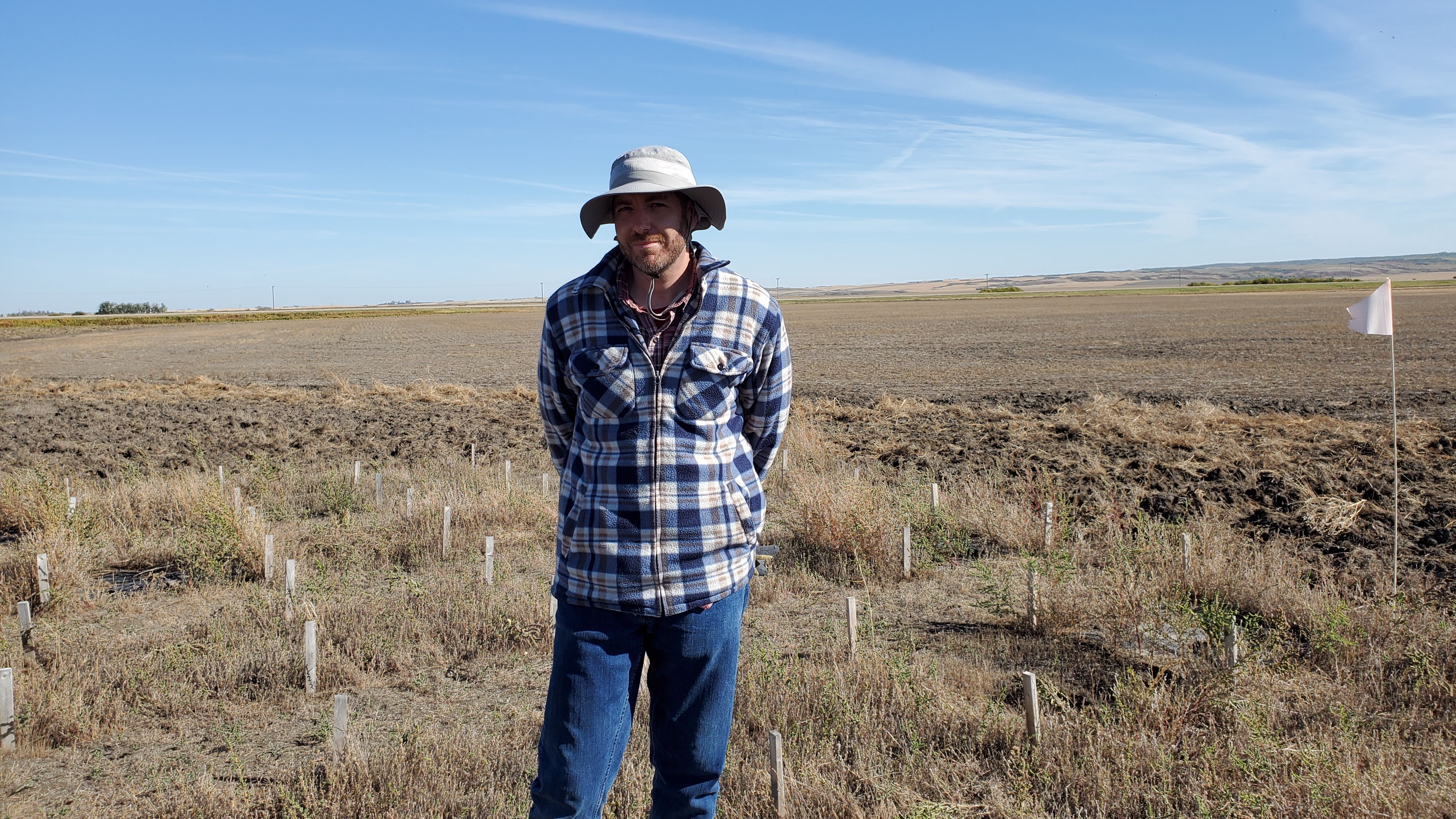
Saskatchewan producers grow a lot of cereals and some can escape and become volunteers. With fall upon us, growers may be wondering weather they should manage green regrowth before winter.
Building stronger wheat through better diagnostics
Publication: The Wheat Field
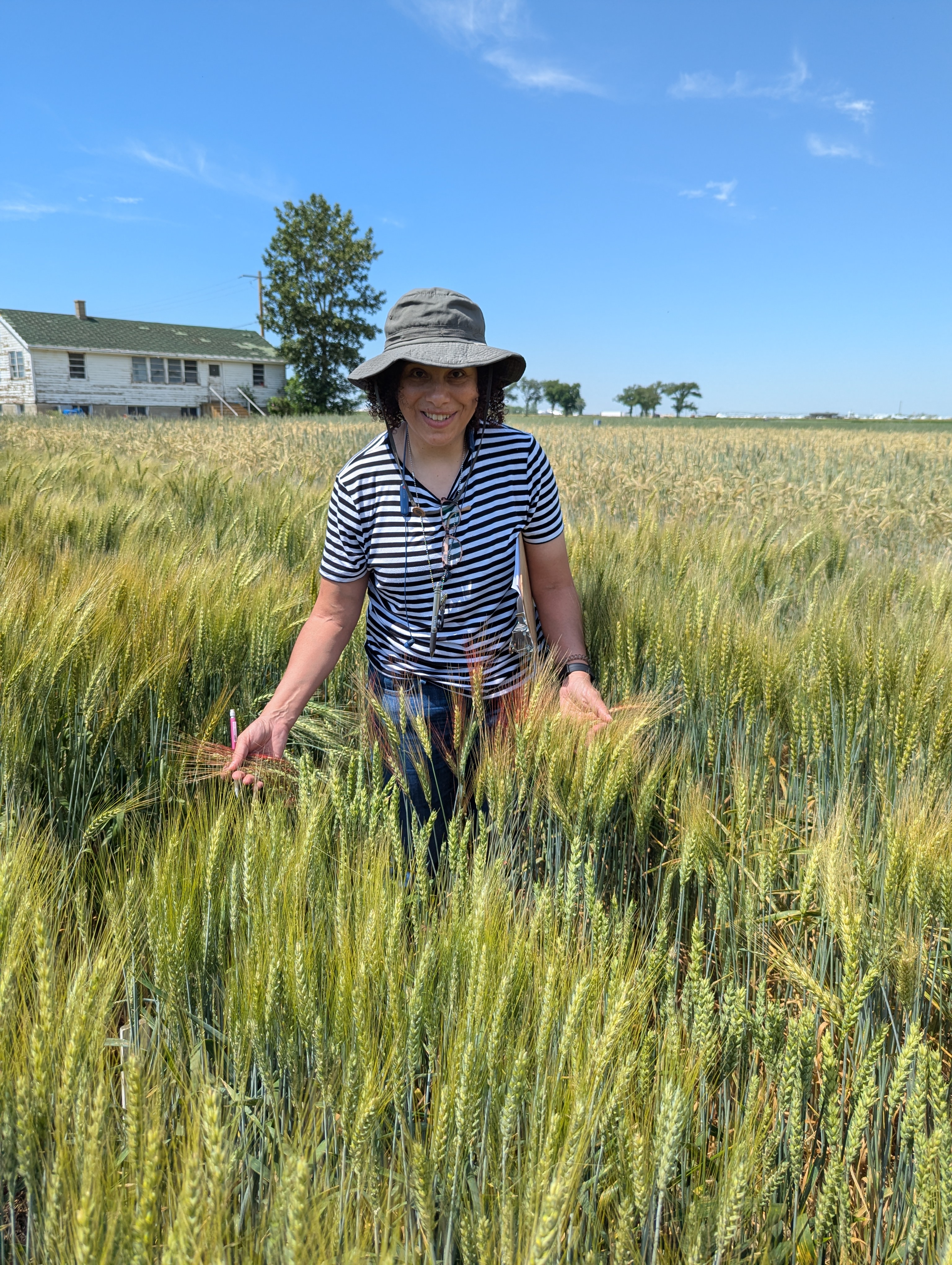
Wheat leaf spot complex is a significant challenge for Western Canadian growers. It compromises grain quality, reduces yields and causes millions of dollars in economic losses every year.
Diagnosing micronutrient deficiencies in soybean
Publication: Top Crop Manager East
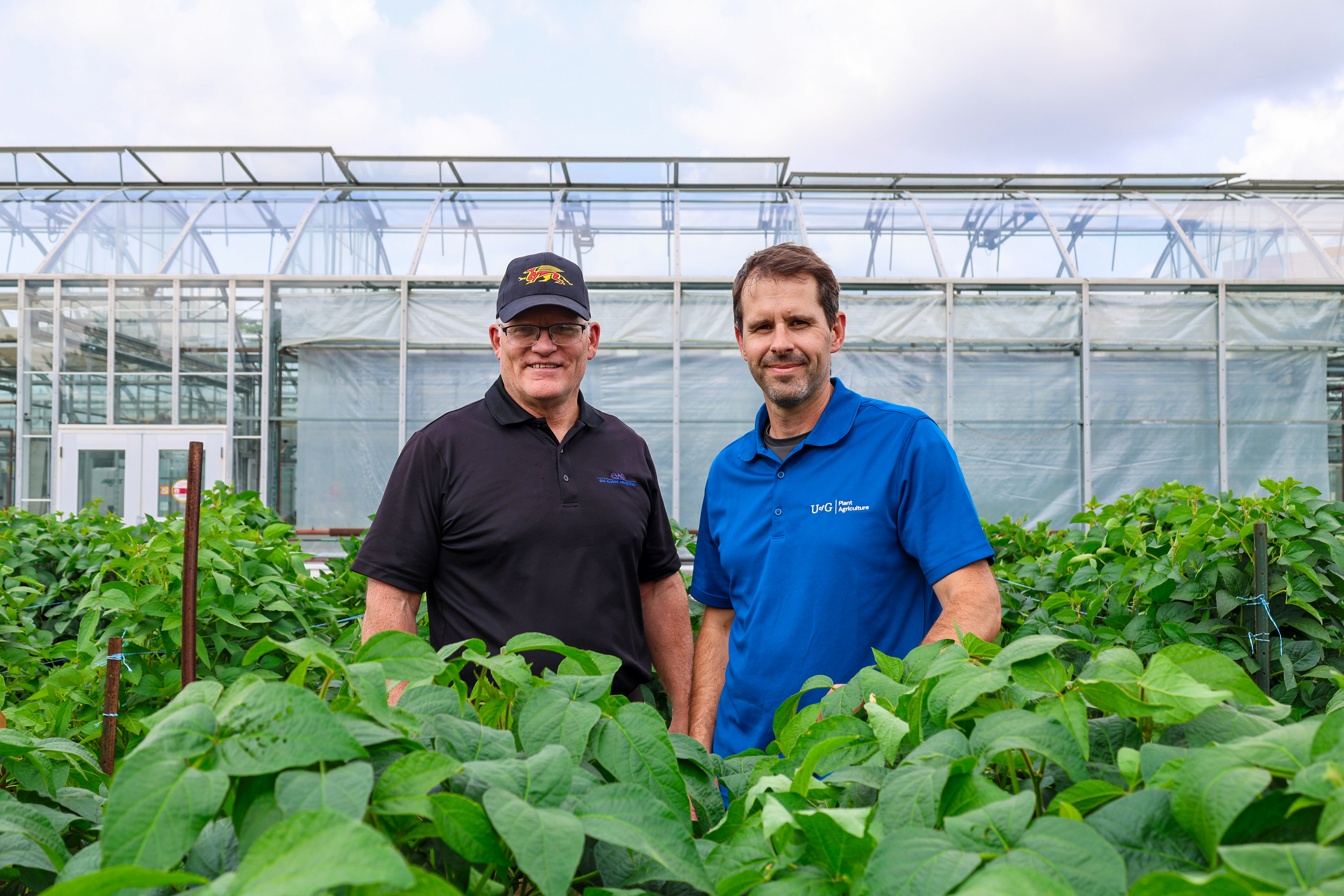
Researchers at the University of Guelph are developing clearer sufficiency ranges and diagnostic tools to help farmers distinguish true nutrient problems from symptoms caused by other field conditions.
Too Wet or Too Dry? Build a Farm Ready for Both
Publication: The Alberta Seed Guide

Better soil structure, smarter rotations and reduced compaction can help dryland farms withstand increasingly unpredictable weather.
Accelerating wheat innovation with AI-based field robotics
Publication: The Wheat Field

In the race to develop the climate-resilient wheat varieties Saskatchewan producers need to remain globally competitive, plant breeders are constantly looking for ways to accelerate crop research.
Taking control of volunteer canola in soybeans
Publication: Top Crop Manager West

Volunteer canola in soybean fields is nothing new. When soybeans first started being grown in a serious way in Western Canada 10 to 15 years ago, it wasn't long before masses of attractive yellow flowers became a relatively common sight in the region's soybean fields.
Freeze-tolerant chickpeas on the horizon
Publication: Top Crop Manager West

With Statistics Canada reporting that chickpea acres jumped 12.5 per cent to 541,000 in 2025 — the largest number of acres for many years — it’s no wonder scientists are looking to breed varieties better adapted to tolerate those notoriously cold prairie temperatures.
Diverse crop rotations benefit winter wheat
Publication: Top Crop Manager West

Western Canadian growers are often on the fence when it comes to adding winter wheat to their crop rotations, particularly if they don’t have canola stubble ready. A new study suggests that growing winter wheat immediately after soybeans or lentils has the potential to achieve superior grain yields and protein concentrations over canola.
The Influence of Phosphorus on Canola Plant Roots
Publication: Top Crop Manager West

If you look at it on paper, Saskatchewan, with its large total phosphorus pools, should be the perfect place to grow canola. The problem is that only a small percentage of that total phosphorus is available to plants.
Pandemic Still Impacting Home Garden Seed Market
Publication: Seed World US

The home garden seed market has seen its fair share of panic buying over the decades, but nothing in modern history compares to the run on seeds triggered by the COVID-19 pandemic and the lasting impact it’s had on the industry.
Many Eggs, Many Baskets: What Is Being Learned From the Crop-Climate Project
Publication: Small Farm Canada

With climate change impacting everything from bird migration patterns to wildfire severity, it’s not surprising that Canadian researchers are taking a hard look at the challenges farmers are going to encounter growing crops in the face of increasing climatic instability.